


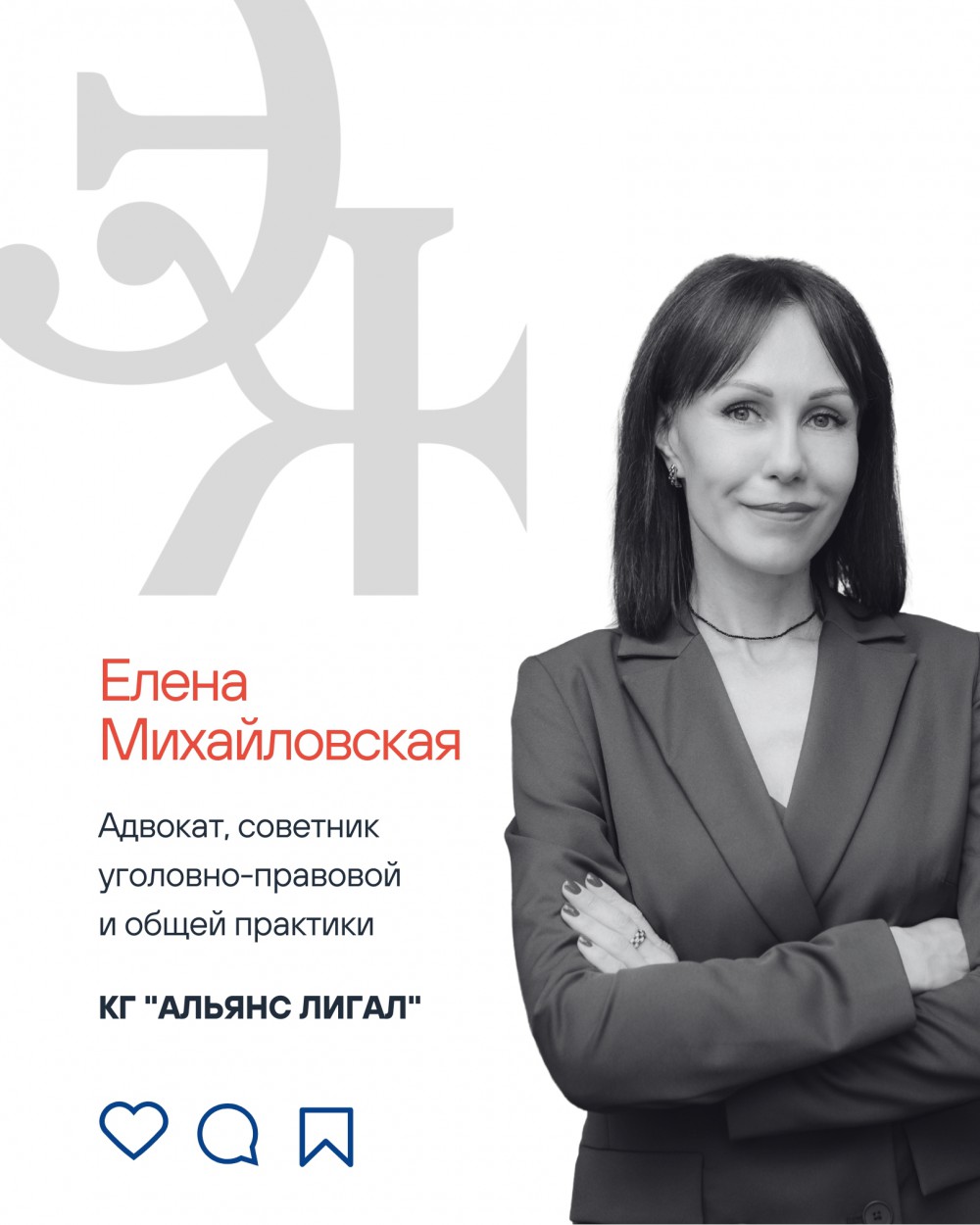
The professional publication ‘Economy and Life’ published a commentary by Elena Mikhailovskaya, Advocate of Alliance Legal Consulting Group.
 ёще фото
In order to strengthen digital security, the Government has proposed introducing a number of restrictions for businesses and creating two new State information systems to combat fraudsters.
Bill No. 842276-8 ‘On the creation of state information systems to counter offences (crimes) committed using information and telecommunications technologies and on amending certain legislative acts of the Russian Federation’.
The main theses of the draft law and its possible consequences:
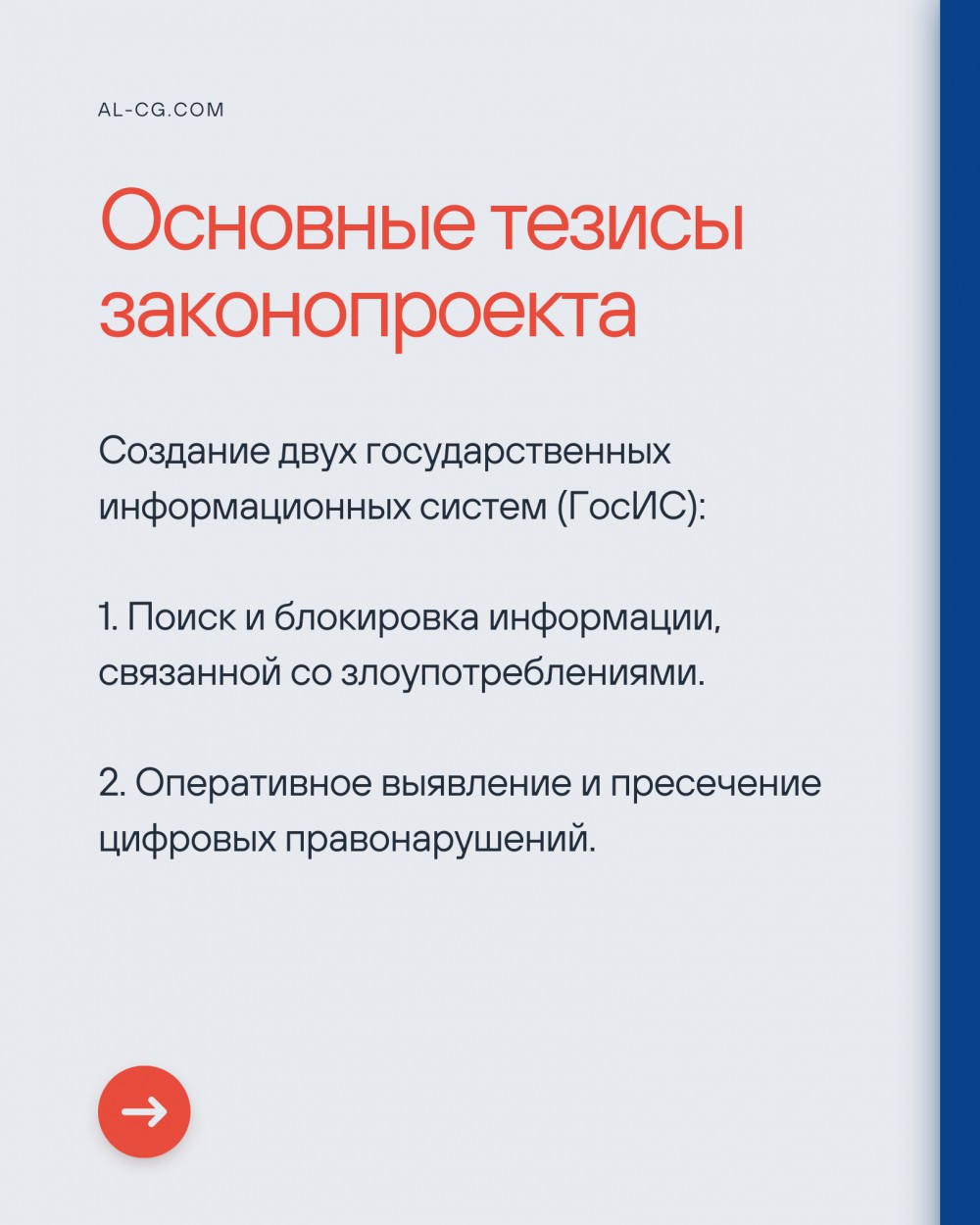
Creation of two state information systems (GOSIS):
- identification and restriction of access to information used for abuse;
- prompt detection, suppression and prevention of offences (crimes) committed with the use of digital technologies.
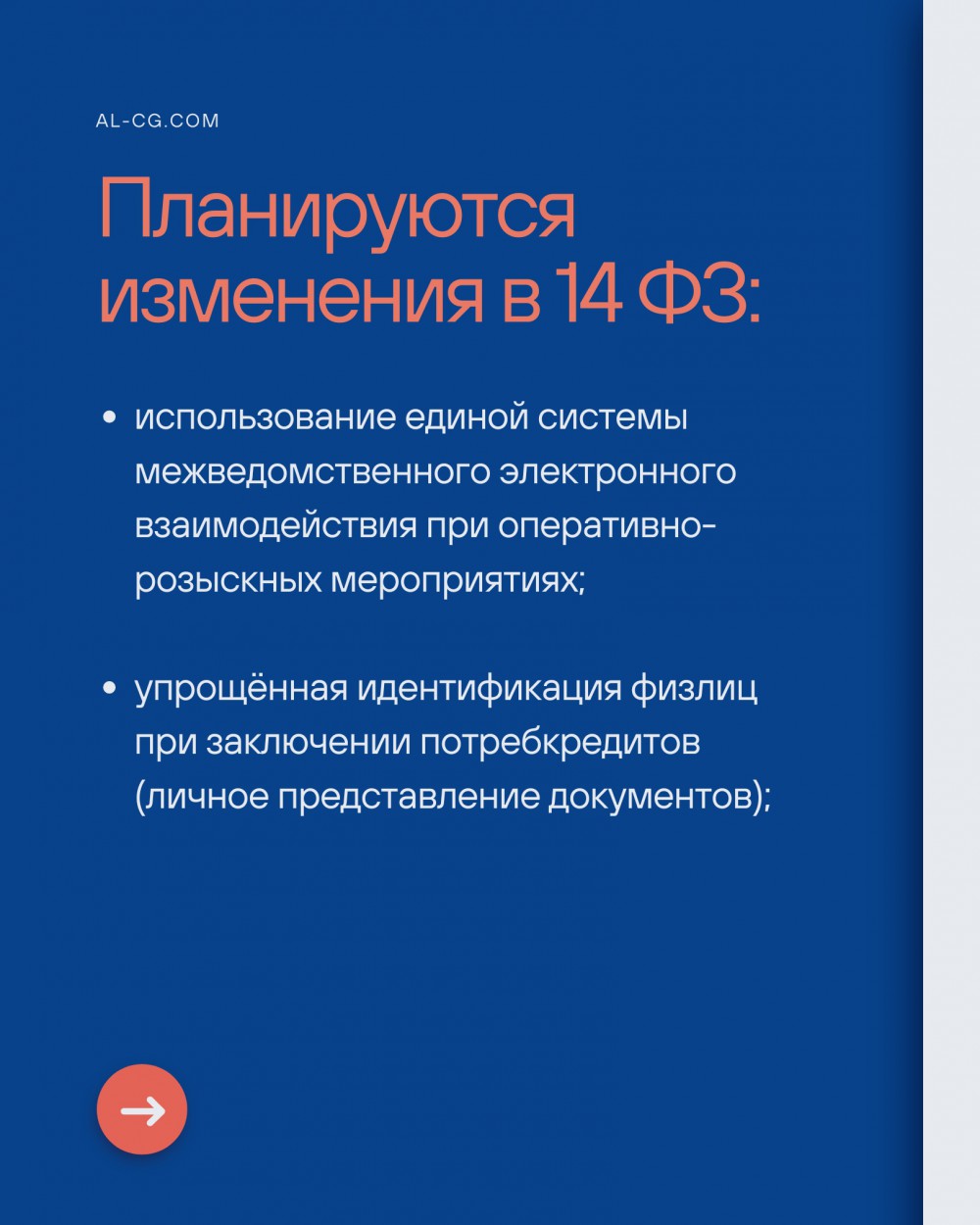
It is planned to introduce amendments and additions to 14 Federal Laws, among which are:
Use of a unified system of interdepartmental electronic interaction for carrying out operational and investigative measures (targeting).
Simplified identification of an individual when concluding a consumer credit (loan) agreement only through personal presentation of original or certified copies of documents.
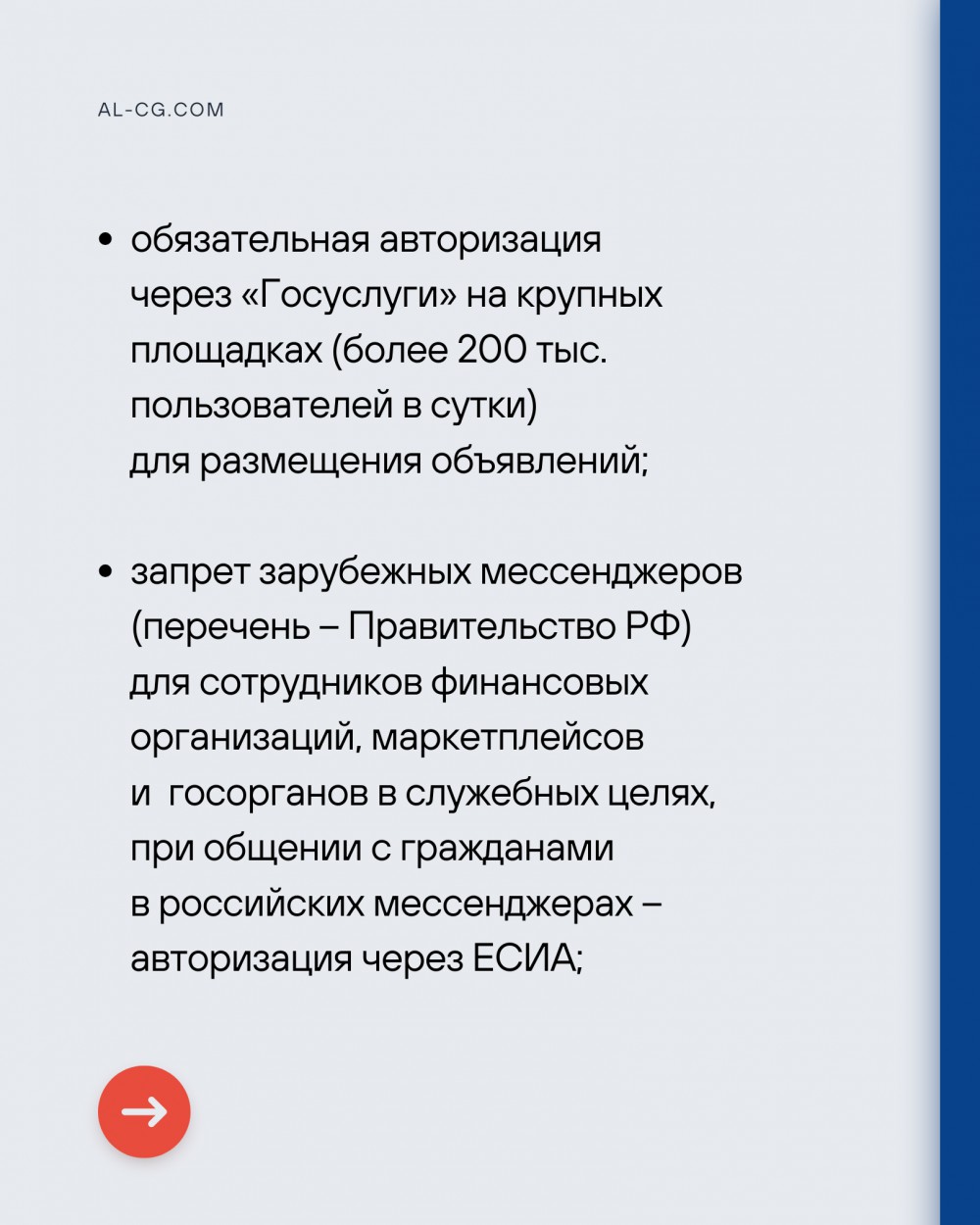
Expansion of mandatory measures for identification of clients and users in various areas: for example, placement of advertisements (goods, real estate, services) on large websites (over 200 thousand users per day) - only after authorisation through ‘Gosusgosluzhby’.
A ban on the use of foreign messengers (the list will be established by the Government of the Russian Federation) for employees of credit organisations, employees of large marketplaces and employees of State bodies (for official purposes). At the same time, when communicating with individuals via Russian messengers, authorisation via the EUIA is required.
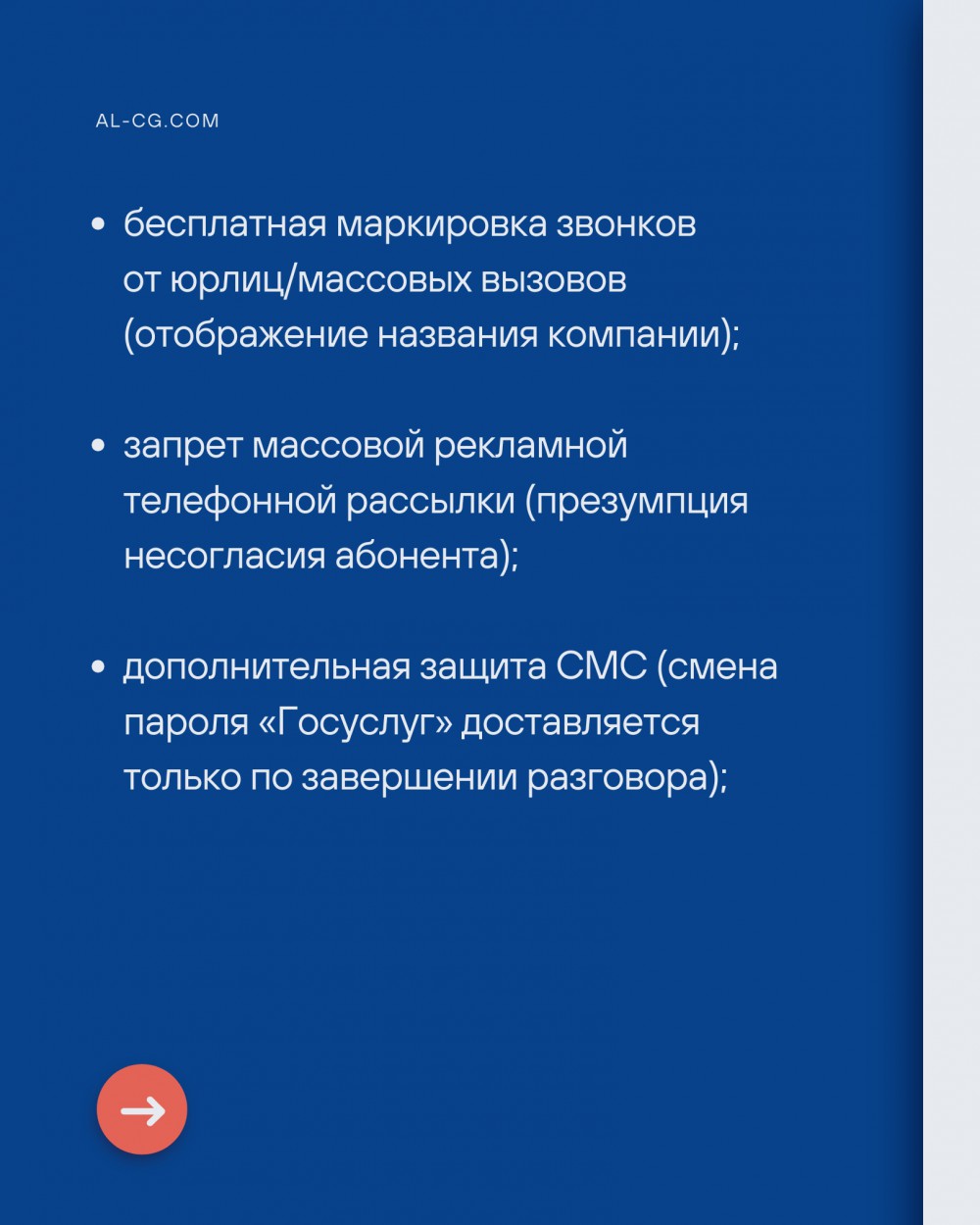
Introduction of compulsory marking of calls from legal entities or mass calls free of charge for the subscriber (the name of the organisation must be displayed on the phone screen).
Prohibition of mass advertising phone calls, presumption of subscriber's non-consent to receive advertising by phone or fax.
Additional measures against SMS theft (in particular, about changing the password for ‘Public Services’) - the operator must deliver such messages immediately and only after the call is over.
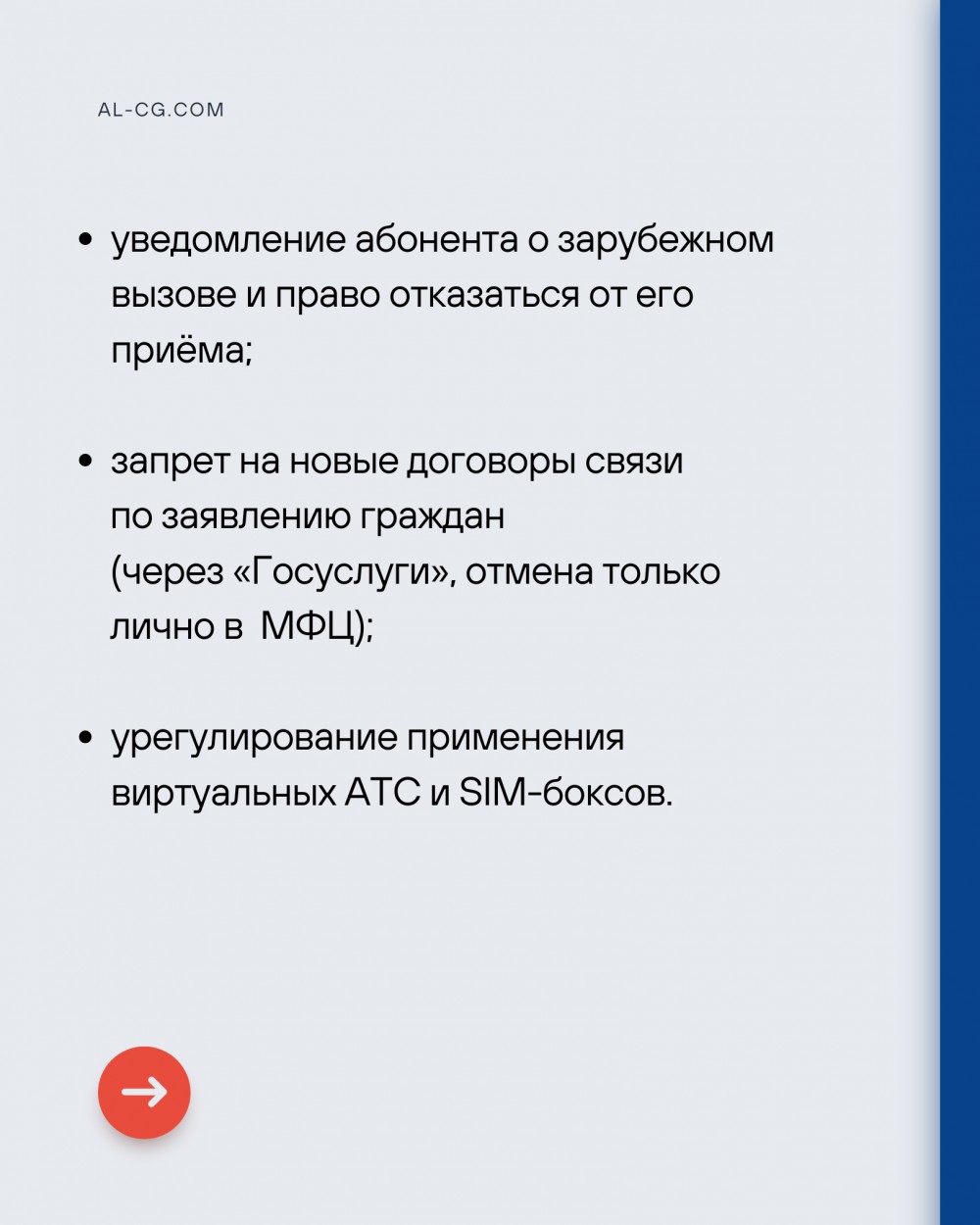
Notification of the subscriber that the call was from the territory of a foreign country and the subscriber's right to refuse to receive any foreign calls.
The possibility for citizens to introduce a ban on the conclusion of new contracts for the provision of communications (to be set through ‘Gosuservices’, to be removed only in person at the MFC).
Regulation of the use of virtual PBXs and SIM-boxes (subscriber traffic terminals).
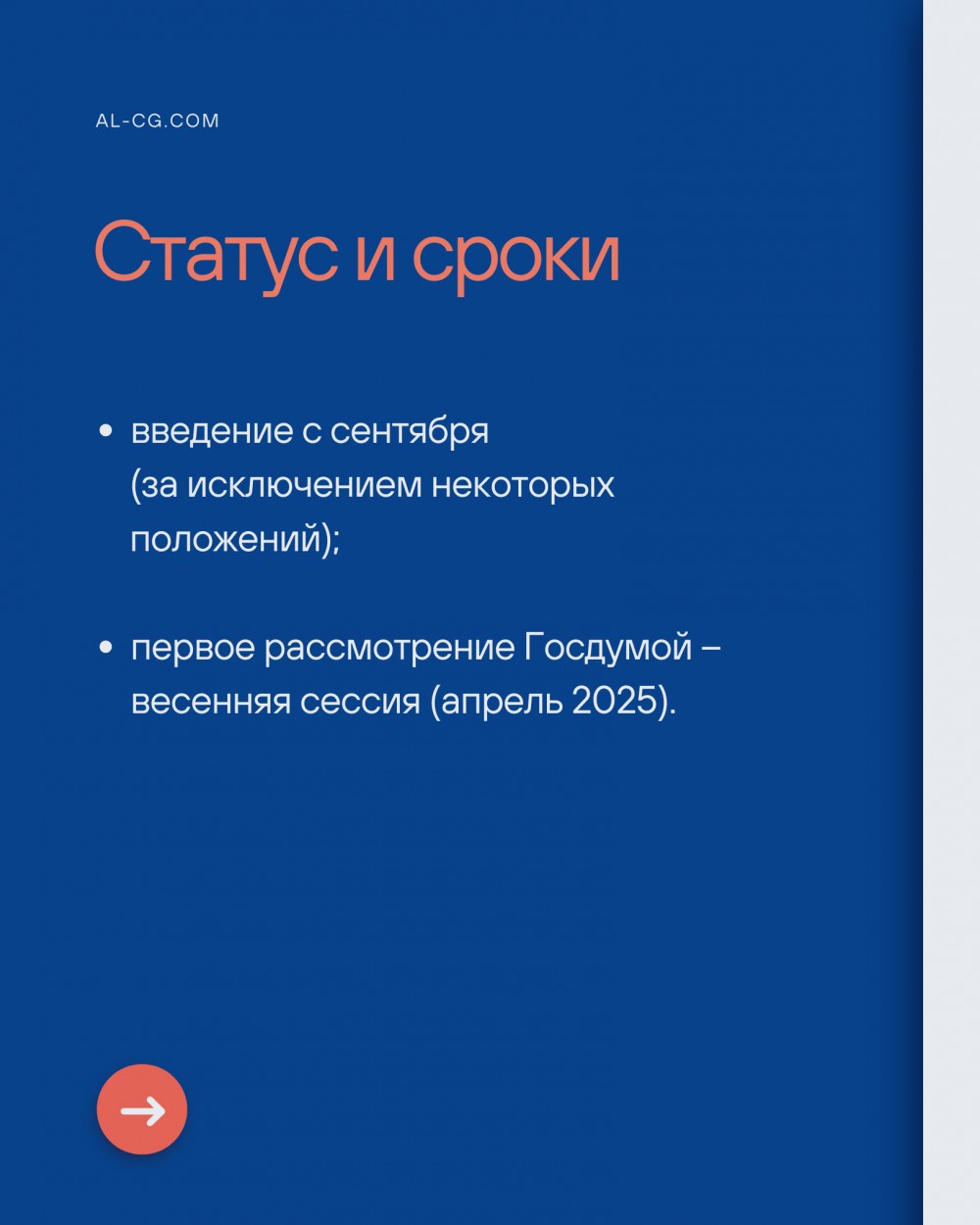
Timing and status of the bill:
Planned for adoption from September of the current year (except for certain provisions).
Included in the programme of priority consideration by the State Duma in the spring session (April 2025).
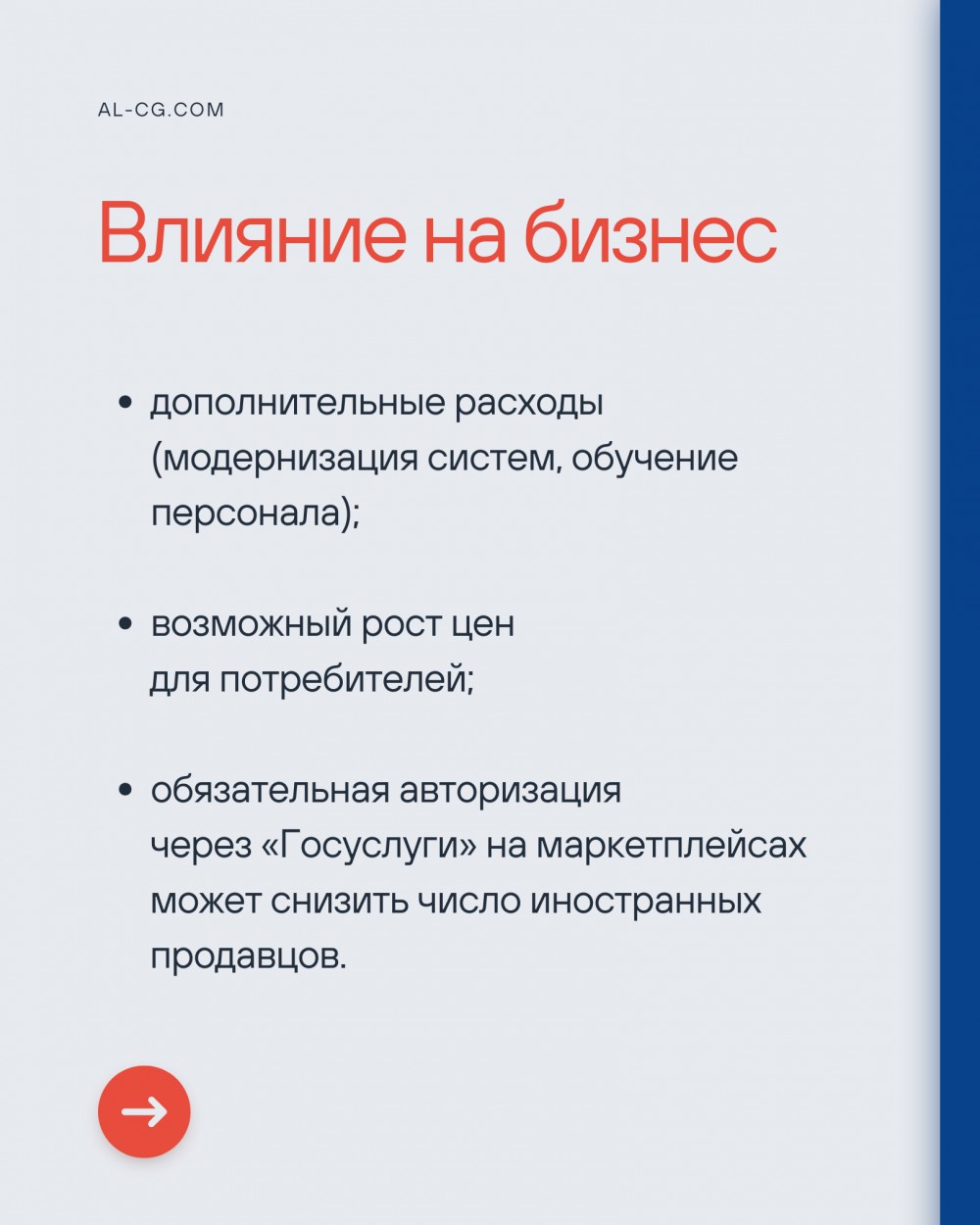
Impact on business:
Possible additional costs and burden on telecom operators, banks and other companies.
Requires modernisation of information systems, staff training, hiring new specialists.
Increased costs may affect end consumers.
Introduction of mandatory authentication via ‘Gosuservices’ on large trading platforms may:
Reduce the supply of foreign goods (foreign sellers cannot authenticate without physical presence in Russia).
Create potential preferences for foreign trading platforms that are not subject to this requirement in Russia.
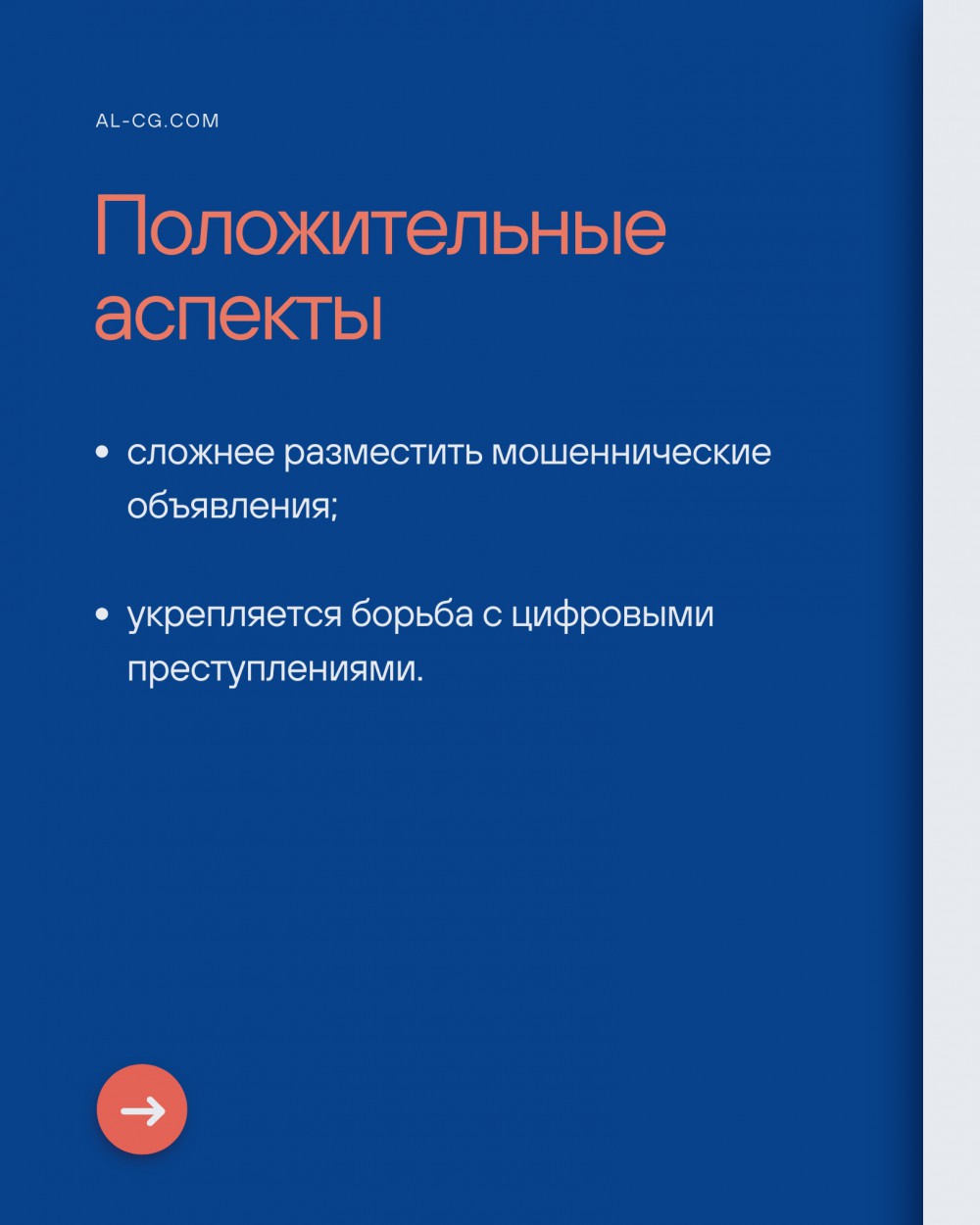
Positive aspects:
It is more difficult to place fraudulent adverts by impersonating another person.
The fight against digital crime is strengthened: If properly organised, the process of implementing GOSIS can be fast and efficient, contributing to improved IT security.
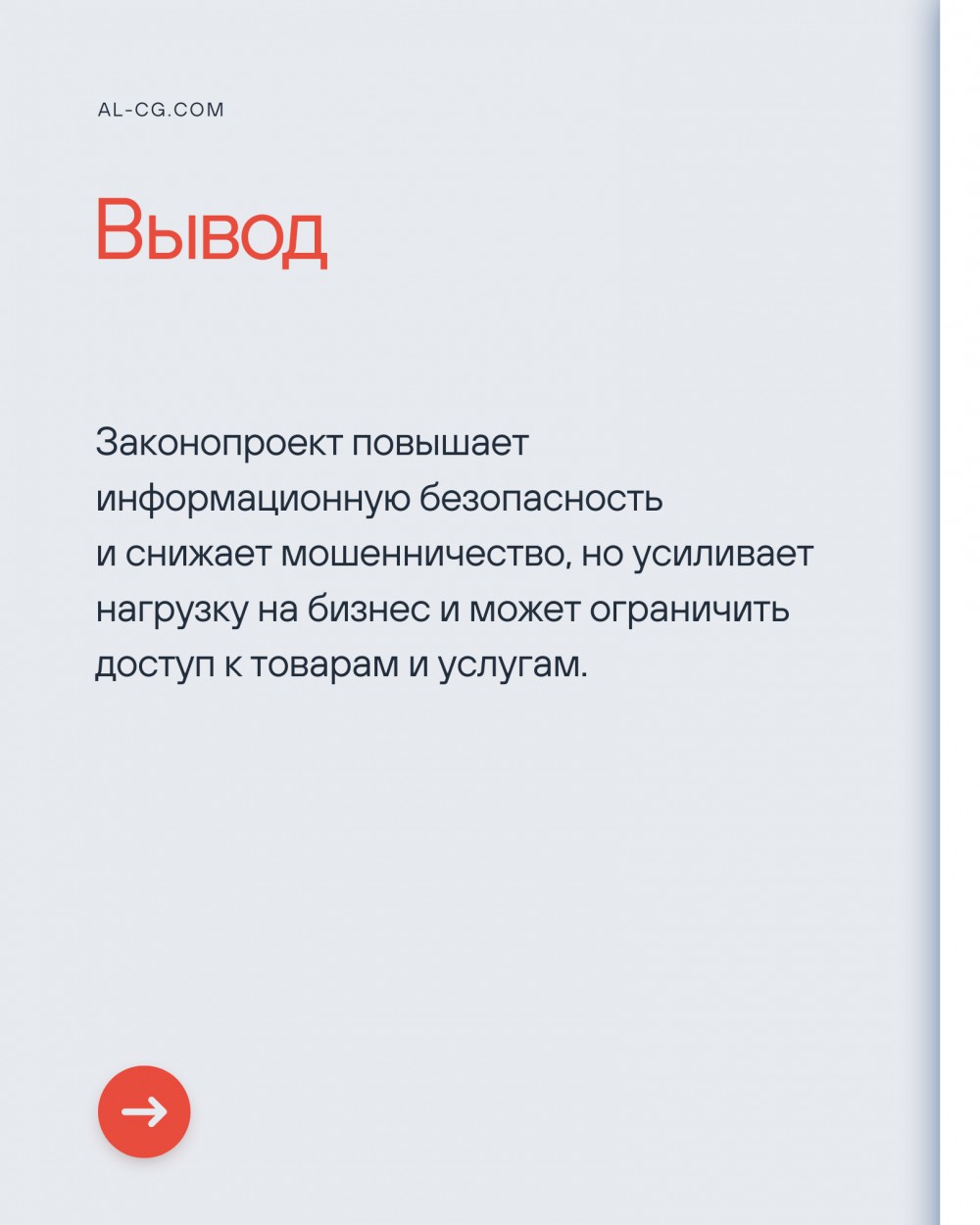
Overall conclusions:
The Bill aims to improve IT security and reduce fraud.
At the same time, it raises concerns about the growing administrative and financial burden on businesses, as well as possible restrictions on access to services and goods on online marketplaces.
You can read about whether the digital environment will become safer on the website of the professional publication Economy and Life